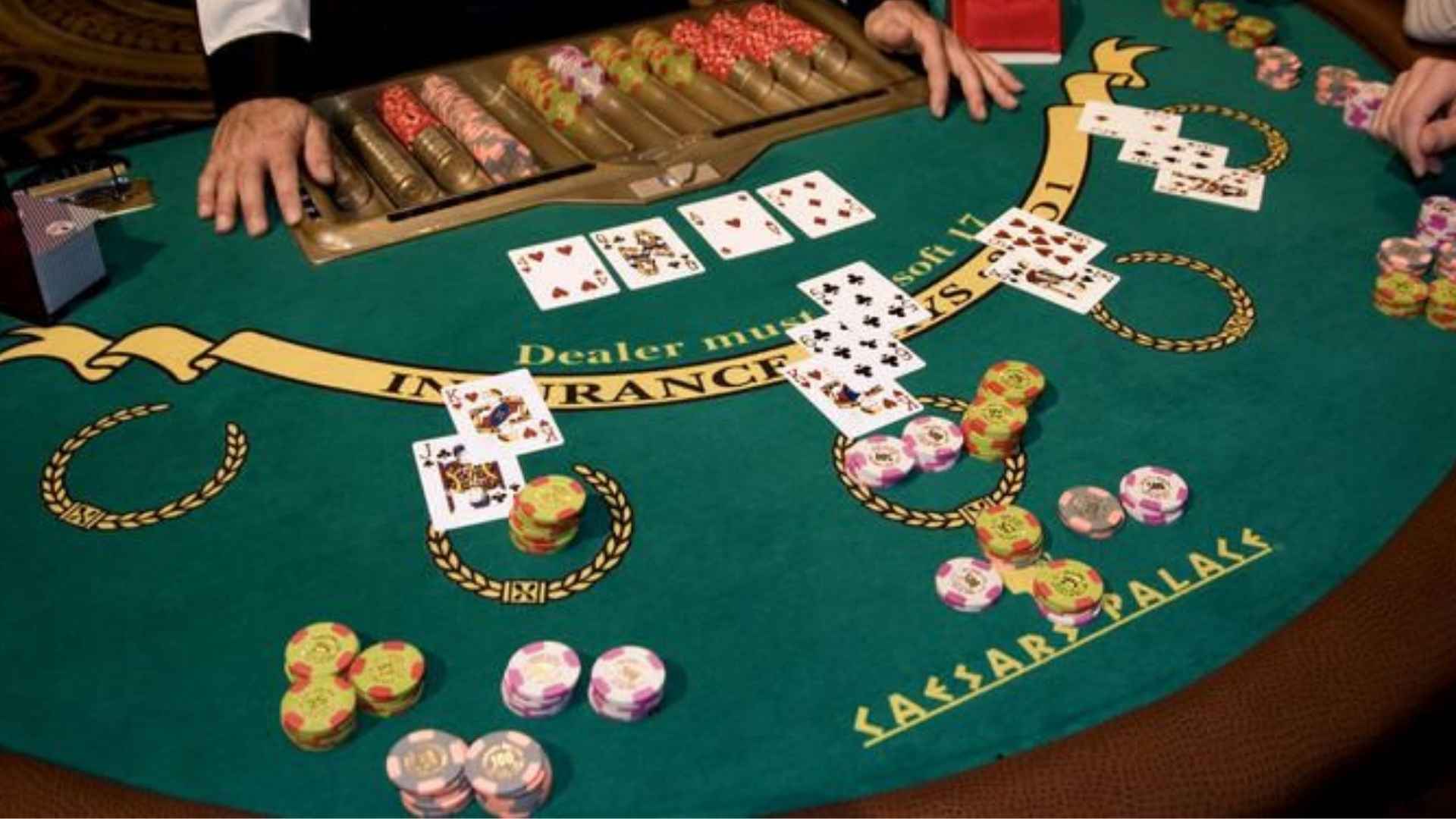
Baccarat has captured the attention of casino lovers worldwide due to its combination of elegant atmosphere and straightforward rules. Navigating a full game session involves understanding the sequence of actions that take place from the initial buy-in to the final resolution of the cards. By taking a closer look at each phase, players can build their confidence and make more informed decisions at the table.
The Initial Buy-In and Placing Bets
Before any cards are dealt, participants must decide how to distribute their capital among the primary betting areas. The table layout provides options to support the player hand, the banker hand, or a potential tie outcome. Establishing a disciplined session budget during this pre-deal stage ensures that you manage your financial boundaries effectively from the very beginning.
Many seasoned enthusiasts look for trusted platforms to practice their strategic approaches and observe how betting patterns flow in real time. You can find useful insights and explore various options by visiting M88 toto to analyze live dealer setups. Making structured choices before the action starts is essential for long-term consistency and stress-free gaming.
The Deal and Assessing Card Values
Once all wagers are locked in, the dealer distributes two cards each to the player and banker positions on the felt. Baccarat uses a specific scoring system where face cards and tens hold zero value, while aces count as one point. The ultimate objective is to achieve a total score as close to nine as mathematically possible.
If either the player or the banker receives a total of eight or nine from the initial two cards, this is called a natural win. When a natural occurs, the round ends immediately, and all winning wagers are paid out according to the standard payout structure. Understanding these basic calculation rules helps newcomers follow the game progression without confusion.
The Third Card Rules and Evaluation
When neither hand achieves a natural total, the game applies strict, mandatory rules to determine if a third card must be drawn. The player hand always stands on a total of six or seven, but it will receive a third card if the initial value falls between zero and five. The banker hand follows a more intricate set of conditions based on what the player drew.
Because these drawing decisions are completely automated and handled by the dealer, players do not need to memorize the complex matrix to participate. The automatic execution guarantees a fair environment where human error cannot alter the legal path of the cards. Watching this mechanical stage unfold is often the most exciting part of the round.
The Resolution and Payout Stage
After all necessary cards are dealt, the hand with the final point total closest to nine is declared the winner of the round. Winning wagers on the player hand typically pay even money, while successful banker bets are subject to a small five percent commission. Tie wagers offer much higher payout odds but carry a significantly larger house advantage.
Once the payouts are distributed, the dealer clears the table layout and prepares the shoe for the next round of betting. Tracking these outcomes systematically can help you monitor your overall bankroll performance throughout the session. Mastering each of these steps transforms a simple guessing game into a disciplined and enjoyable casino experience.