While many form of entertainment rely purely on the luck of the draw or the random spin of a wheel, a specific class of tabletop activities demands deep strategic oversight and analytical thinking. These games shift the power from simple chance to the hands of the player, where success is built upon a series of deliberate, well-considered choices. Engaging with these tactical options provides a highly satisfying mental workout that values preparation over simple fortune.
The Mathematical Precision of Blackjack
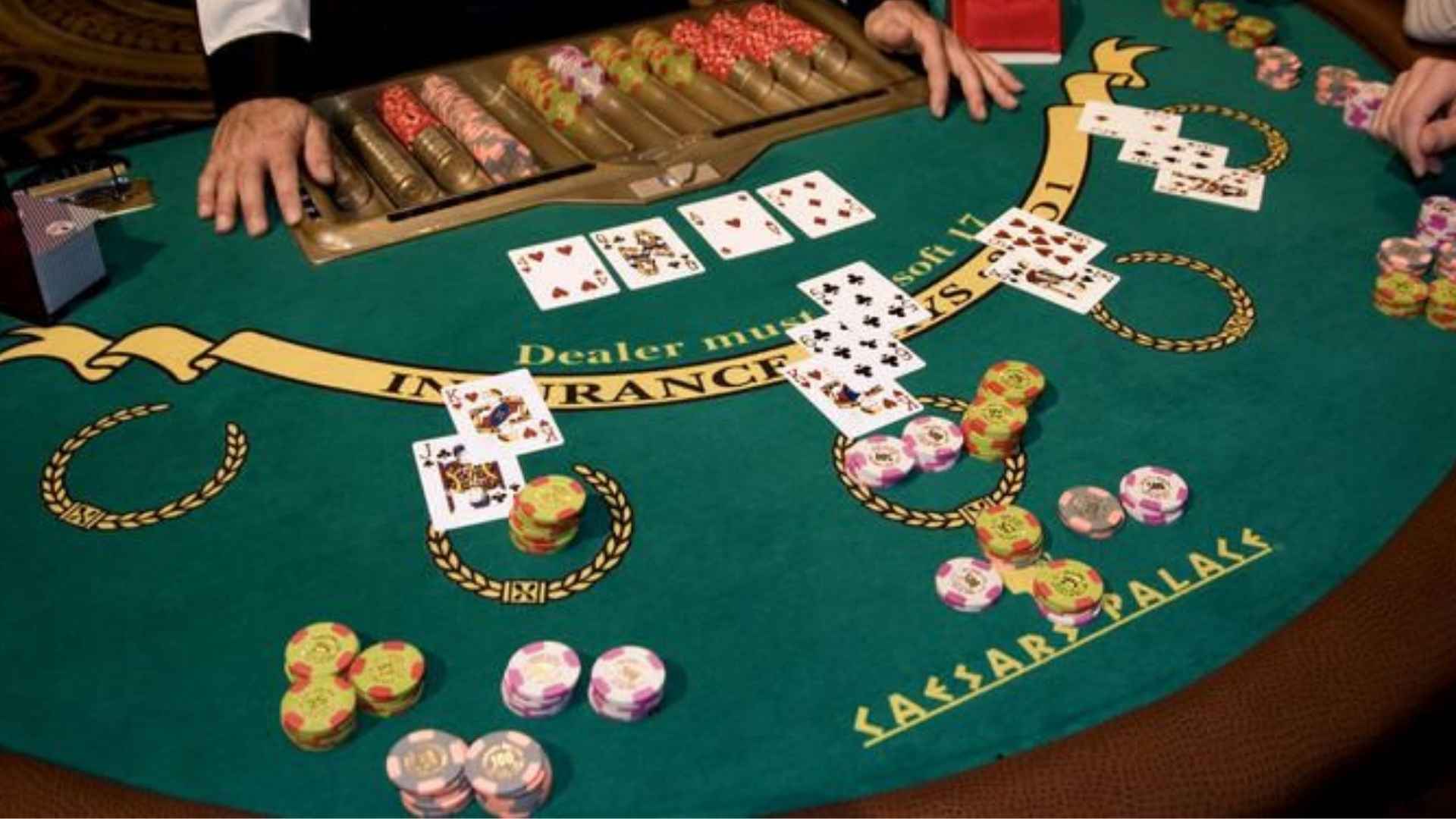
Blackjack stands as one of the most famous examples of a game where mathematical strategy directly influences the outcome. Every card dealt changes the probability of the next move, requiring players to constantly calculate risk against potential reward. By memorizing optimal decision charts, players can systematically lower the house edge to its absolute minimum.
Unlike relying on the sheer luck of an online M88 slot, blackjack rewards those who study the mathematics behind each hand. This focus on discipline and calculation makes it a highly engaging option for analytical minds who enjoy applying logic to active scenarios. Every hand becomes a unique puzzle that can be solved with the right strategic approach.
The Tactical Depth of Modern Chess
Chess has served as the ultimate testing ground for strategic foresight and mental stamina for over a thousand years. With absolutely no elements of hidden information or random dice rolls, the game is a pure clash of intellect where every move must be justified. Success requires players to anticipate multiple turns in advance while simultaneously reading their opponent's defensive posture.
This classic board game teaches valuable lessons in patience, critical thinking, and immediate risk assessment. Because a single careless move can dismantle hours of careful positioning, players learn to treat every piece with utmost respect. The rewards of a well-executed checkmate are deeply satisfying because they are entirely earned through superior planning.
Strategic Resource Management in Board Games
Modern tabletop strategy games have introduced complex layers of resource allocation and geopolitical negotiation to the gaming community. Players must balance building their own territories with blocking the growth of their competitors on a shared board space. These dynamics force participants to constantly adapt their long-term plans to match changing table environments.
Managing limited resources while navigating social alliances creates a highly interactive and intellectually stimulating atmosphere. These modern designs ensure that victory is rarely the result of a single lucky turn, but rather the culmination of consistent tactical adjustments. This makes the modern tabletop hobby incredibly appealing to those who enjoy complex problem-solving scenarios.