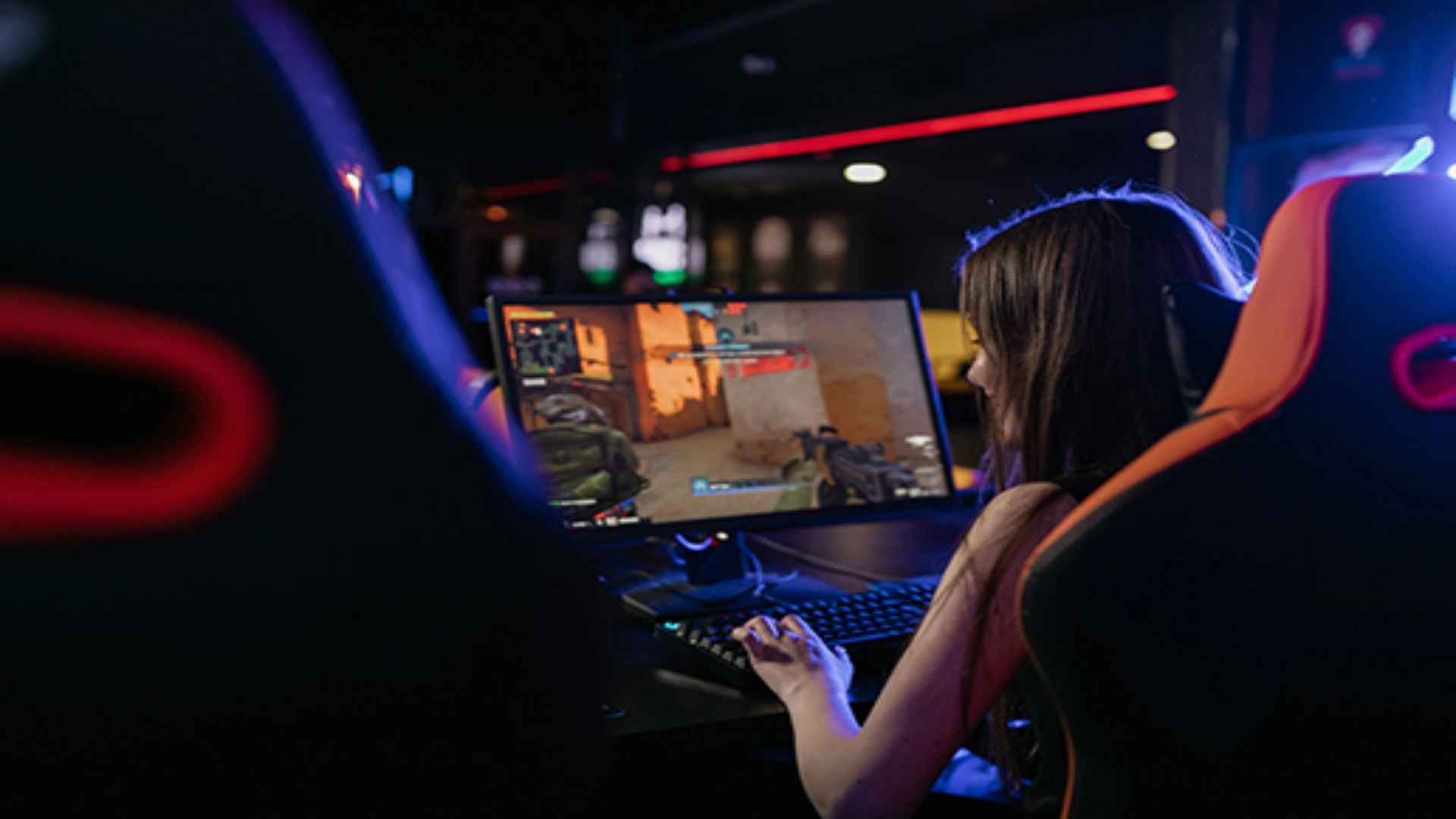
Practicing against computer-controlled opponents offers a controlled, risk-free environment where card players can master complex strategies and refine their decision-making process. Unlike real human rivals who may play unpredictably or use emotional pressure, AI opponents execute calculated moves based on fixed programming. By taking advantage of single-player modes, players can test new decks, understand game mechanics, and build a strong tactical foundation before stepping into live online arenas.
Understanding AI Behavioral Patterns
Artificial intelligence in card games operates on logic algorithms designed to simulate decision-making across various difficulty levels. Observing how the computer prioritizes card draws, resource management, and defensive plays helps you recognize fundamental strategic patterns. Recognizing these predictable tendencies allows you to anticipate potential moves and adjust your deck composition accordingly.
While AI opponents rarely make emotional mistakes, their strict adherence to programming means they can struggle against unconventional tactics. Players can explore dynamic digital gaming platforms like m88 thai to see how diverse match options cater to strategic skill growth. Testing creative card combinations against computer opponents helps reveal weaknesses in your strategy without punishing your competitive rank.
Mastering Fundamentals Through Repeated Practice
One of the greatest advantages of playing against AI bots is the ability to play at your own pace without time restrictions. You can analyze every turn carefully, calculate probabilities, and evaluate multiple options before committing to a move. This deliberate style of play builds strong analytical habits that directly carry over into fast-paced multiplayer matches.
Repeated practice against computer opponents also helps players memorize key card interactions and rule exceptions. As you become familiar with standard gameplay loops, your executing speed improves naturally. Over time, core mechanics become second nature, freeing up mental bandwidth for higher-level tactical foresight during intense games.
Gradually Increasing Difficulty Settings
Most modern digital card games feature customizable AI difficulty levels ranging from beginner bots to expert algorithms. Starting at lower difficulty settings lets you get comfortable with basic mechanics and deck synergies without feeling overwhelmed. Once you achieve a high win rate, moving up to tougher AI tiers challenges you to minimize errors and refine your efficiency.
Higher-tier computer opponents often utilize optimized decks and aggressive algorithms that punish minor mistakes instantly. Facing these advanced AI routines forces you to manage resources conservatively and plan several turns in advance. This progressive scaling ensures continuous personal improvement while keeping single-player matches engaging and rewarding.
Transitioning Strategy From AI to Human Players
While computer opponents provide excellent training grounds, it is important to remember that human players introduce psychological elements like bluffing and unpredictable risks. AI training should be viewed as a foundational stepping stone rather than a complete substitute for human competition. Use single-player matches to perfect your mechanics, deck building, and resource management strategies.
Once your fundamentals are solid, transitioning to live multiplayer modes becomes a smooth and confident process. You will be better prepared to adapt your core strategy when facing unpredictable human opponents. Combining structured AI practice with real-player experience creates a well-rounded path toward long-term gaming mastery.